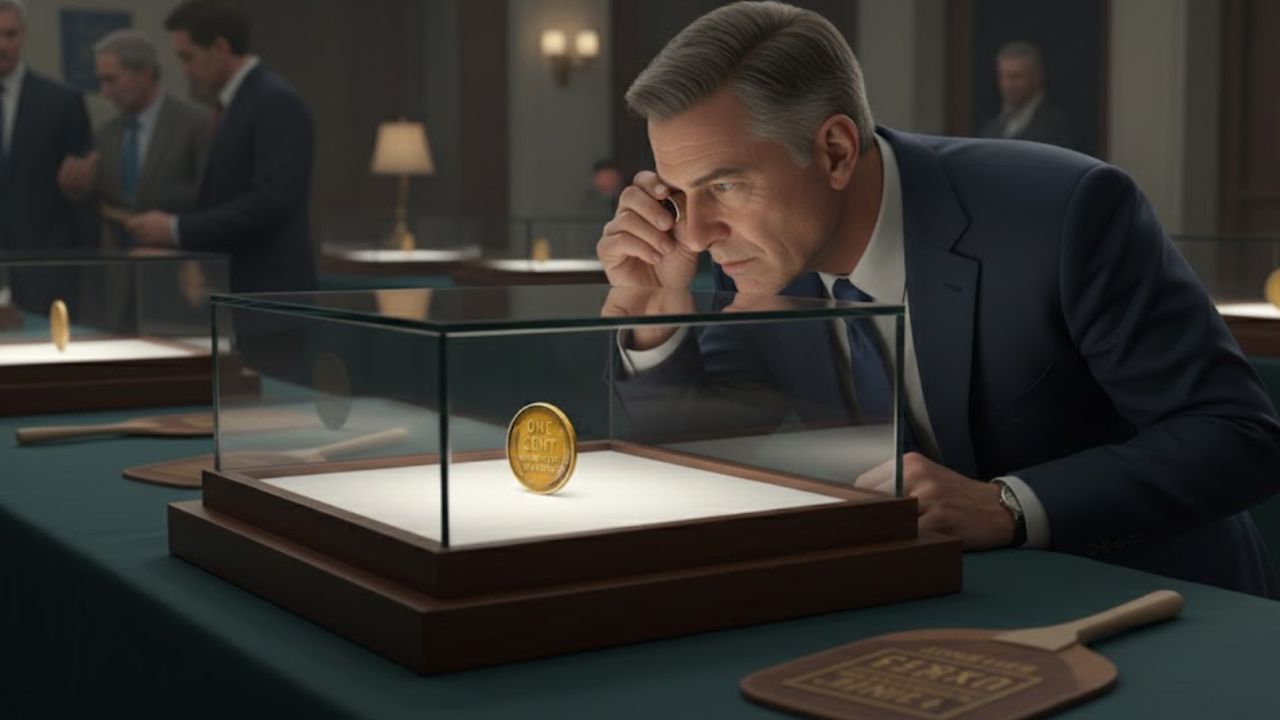
Lincoln Penny Value Chart: The Lincoln Wheat Penny was introduced in 1909 to commemorate the centennial of Abraham Lincoln’s birth. This coin represented a major shift in American coinage by becoming the first circulating U.S. coin to display an actual historical figure instead of a symbolic image. Designed by Victor David Brenner, the obverse features Lincoln’s portrait, while the reverse shows two wheat stalks framing the denomination. The wheat imagery symbolized national growth, stability, and agricultural prosperity, giving the coin its enduring nickname.
Lincoln Wheat Penny Key Dates and Rare Varieties
| Year | Mint Mark | Variety Name | Collector Significance |
|---|---|---|---|
| 1909 | S | VDB | Limited production with designer initials |
| 1914 | D | Standard Issue | Scarce mintage with strong collector demand |
| 1922 | None | No D Error | Missing mint mark caused by die wear |
| 1943 | None | Copper Error | Accidentally struck on copper planchets |
| 1955 | None | Doubled Die | Dramatic doubling visible on lettering |
This table outlines the most well-known Lincoln Wheat Penny varieties that continue to attract strong interest from collectors due to their rarity and historical importance.
Early Public Response and Design Controversy
When the Wheat Penny entered circulation, it was widely embraced for honoring Abraham Lincoln. However, controversy quickly followed due to the prominence of Brenner’s initials on the reverse. Critics felt the initials were too noticeable, leading the U.S. Mint to remove them shortly after release. This decision resulted in the extremely rare 1909-S VDB Wheat Penny, now considered one of the most desirable coins in American numismatics.
The Wheat Penny in Everyday American Life
For nearly five decades, the Lincoln Wheat Penny played a central role in daily commerce. Americans used it for small purchases such as newspapers and household goods, making it a familiar presence across generations. Its long circulation period helped cement its place in U.S. cultural history.
Wartime Adjustments and Metal Changes
During World War II, copper shortages forced the Mint to alter penny production. In 1943, pennies were struck using zinc-coated steel, giving them a silver appearance that often confused the public. A small number of pennies were mistakenly struck on leftover copper blanks, creating the famous 1943 copper Wheat Penny, one of the rarest and most valuable U.S. coins ever discovered.
Important Wheat Penny Errors and Key Dates
Certain Lincoln Wheat Pennies stand out due to scarcity or minting mistakes. The 1914-D penny is prized because of its low mintage. The 1922 No D penny resulted from excessive die wear that erased the mint mark. The 1955 Doubled Die penny is renowned for bold doubling visible without magnification. These coins regularly achieve strong prices at auction.
Transition to the Lincoln Memorial Design
The Wheat Penny design was officially retired in 1958. Beginning in 1959, the reverse design changed to feature the Lincoln Memorial. While the design evolved, Lincoln remained the focal point, preserving continuity. Despite this transition, Wheat Pennies continue to be collected and admired for their historical significance.
Collecting Lincoln Wheat Pennies Today
The Lincoln Wheat Penny remains one of the most popular coin series for collectors. Beginners enjoy the affordability of common dates, while advanced collectors pursue rare varieties, error coins, and high-grade examples. The series offers both accessibility and long-term collecting challenges.
How Coin Condition Influences Wheat Penny Value
Condition plays a crucial role in determining value. Circulated Wheat Pennies usually hold modest worth, while uncirculated coins with original luster and sharp details can command significant premiums. Professional grading services such as PCGS and NGC provide standardized evaluations that help establish market confidence.
Common Myths About Wheat Pennies
A widespread misconception is that all Wheat Pennies are valuable. In reality, most are common and worth only small amounts. True value lies in rare dates, mint errors, and exceptional condition. Understanding these distinctions is essential for accurate evaluation.
Auction Records and Collector Motivation
High-profile auction results have shown that rare Wheat Pennies can sell for tens or even hundreds of thousands of dollars. These record-breaking sales inspire collectors to carefully examine their coins and continue searching for overlooked treasures.
The Lasting Appeal of Wheat Penny Collecting
Beyond monetary value, Wheat Pennies offer a direct connection to American history. Each coin reflects the economic conditions and cultural values of its era. For many collectors, preserving these small pieces of history is just as rewarding as their financial potential.

Final Verdict
The Lincoln Wheat Penny remains a cornerstone of American numismatic history. From its historic debut in 1909 to its retirement in 1958, it reflects changing artistic styles, wartime challenges, and national identity. Whether rare or common, every Wheat Penny carries a story that continues to fascinate collectors worldwide.
Disclaimer
This article is intended for informational purposes only. Coin values vary based on rarity, condition, and market demand. Readers are encouraged to consult professional numismatists or certified grading services before making any buying or selling decisions.
