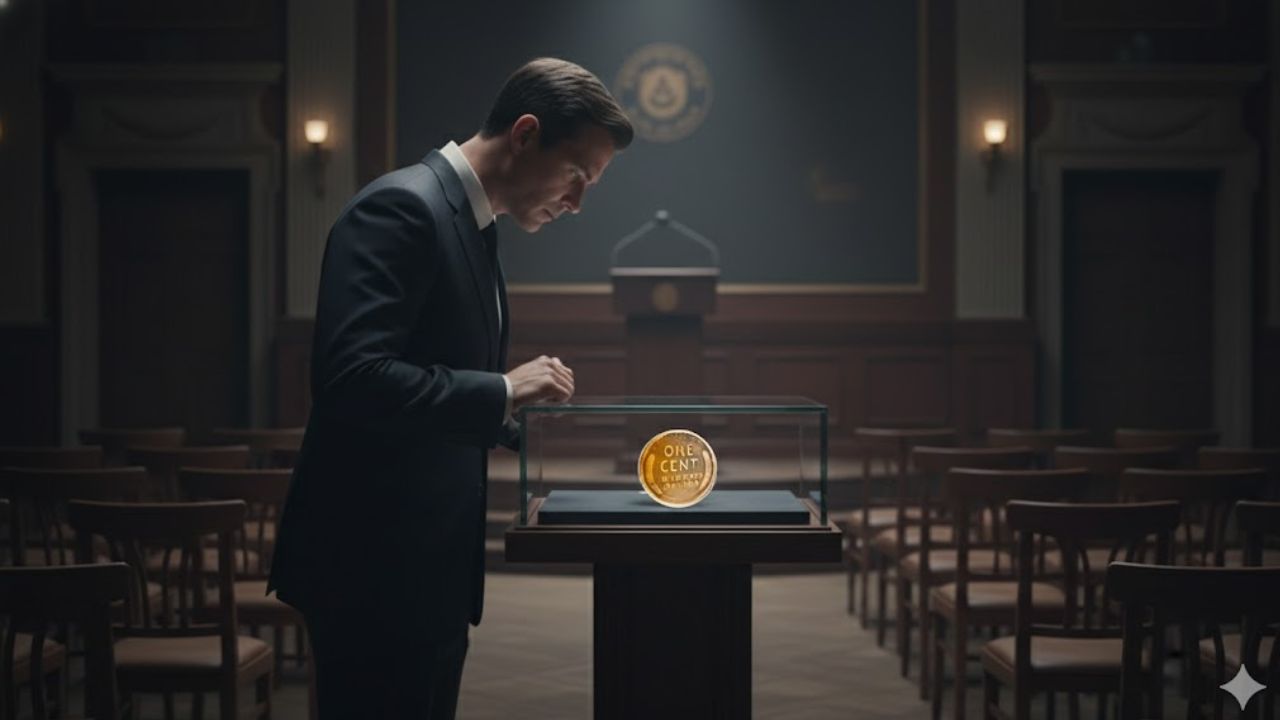
Lincoln Wheat Penny: Coin collectors know that coins are more than just money—they are pieces of history, works of art, and cultural symbols. Among the most collectible U.S. coins are Lincoln Wheat Pennies, produced from 1909 to 1958. While most are worth only a few cents, certain rare issues have reached extraordinary values.
| Coin | Year | Key Feature | Estimated Value Range |
|---|---|---|---|
| Lincoln Wheat Penny | 1909-S VDB | Designer initials VDB visible | $700 – $15,000 |
| Lincoln Wheat Penny | 1914-D | Rare Denver mint | $2,000 – $20,000 |
| Lincoln Wheat Penny | 1922 No D | Mint mark missing | $5,000 – $30,000 |
| Lincoln Wheat Penny | 1943 Copper | Struck in copper instead of steel | $100,000 – $576,000+ |
| Lincoln Wheat Penny | 1955 Doubled Die | Doubling error on the obverse | $1,500 – $25,000 |
Introduction to Lincoln Wheat Pennies
The Lincoln Wheat Penny was first issued in 1909 to commemorate the 100th anniversary of Abraham Lincoln’s birth. Designed by Victor David Brenner, it was the first U.S. coin to feature a real person rather than a symbolic figure. The obverse shows Lincoln’s portrait, while the reverse has two wheat stalks framing the coin’s denomination. This design quickly became a favorite among collectors and the general public.
Why Certain Lincoln Wheat Pennies Are Extremely Valuable
Several factors contribute to a Wheat Penny’s value:
- Rarity: Coins minted in small quantities or with unusual errors are highly sought after.
- Condition: Coins that are uncirculated or in near-perfect condition are worth significantly more.
- Historical relevance: Coins tied to important events or milestones attract collectors.
- Minting errors: Double dies, off-center strikes, or unique metal compositions dramatically increase value.
The 1943 Copper Lincoln Wheat Penny
One of the most famous rarities in American coinage is the 1943 Copper Lincoln Wheat Penny. During World War II, the U.S. Mint switched to zinc-coated steel pennies to conserve copper for the war effort. A few copper pennies were accidentally struck, and these coins have become legendary among collectors. Exceptional examples have sold for as much as $576,000.
How to Identify a 1943 Copper Penny
Collectors can spot this rare penny by checking:
- Date: Must clearly read 1943.
- Color: Copper coins have a reddish-brown hue; steel pennies appear silver-gray.
- Weight: Copper pennies weigh roughly 3.1 grams; steel pennies are about 2.7 grams.
- Mint marks: Versions exist from Philadelphia (no mint mark), Denver (D), and San Francisco (S).
- Professional verification: Authentication and grading by experts are recommended.
Other Notable Rare Lincoln Wheat Pennies
Besides the 1943 Copper Penny, several other Wheat Pennies are highly valuable:
- 1909-S VDB Penny: Known for Brenner’s initials on the coin.
- 1914-D Penny: Scarce Denver issue.
- 1922 No D Penny: Die error with missing mint mark.
- 1955 Doubled Die Penny: Famous for its dramatic doubling on the obverse.
The Excitement of Coin Collecting
Finding a rare Lincoln Wheat Penny is a thrilling experience for collectors. Coin collecting is not only about monetary value but also about uncovering historical treasures. Every coin tells a story, and the chance of discovering a hidden gem in circulation makes this hobby uniquely exciting.
Historical and Cultural Significance of Rare Coins
Rare coins like these illustrate the importance of history, art, and preservation. They demonstrate how ordinary objects can gain immense value over time. Collectors treasure them not only as investments but as tangible connections to America’s past.
Final Verdict
The Lincoln Wheat Penny, especially the 1943 Copper example valued at $576,000, remains one of the most remarkable rarities in U.S. coin history. While most Wheat Pennies are common, these extraordinary coins continue to inspire collectors worldwide. Every pocket may hide a story waiting to be discovered.

Disclaimer
This article is for informational purposes only. Coin values fluctuate depending on rarity, condition, and market demand. Readers should consult professional coin dealers or grading services before buying or selling rare coins.
