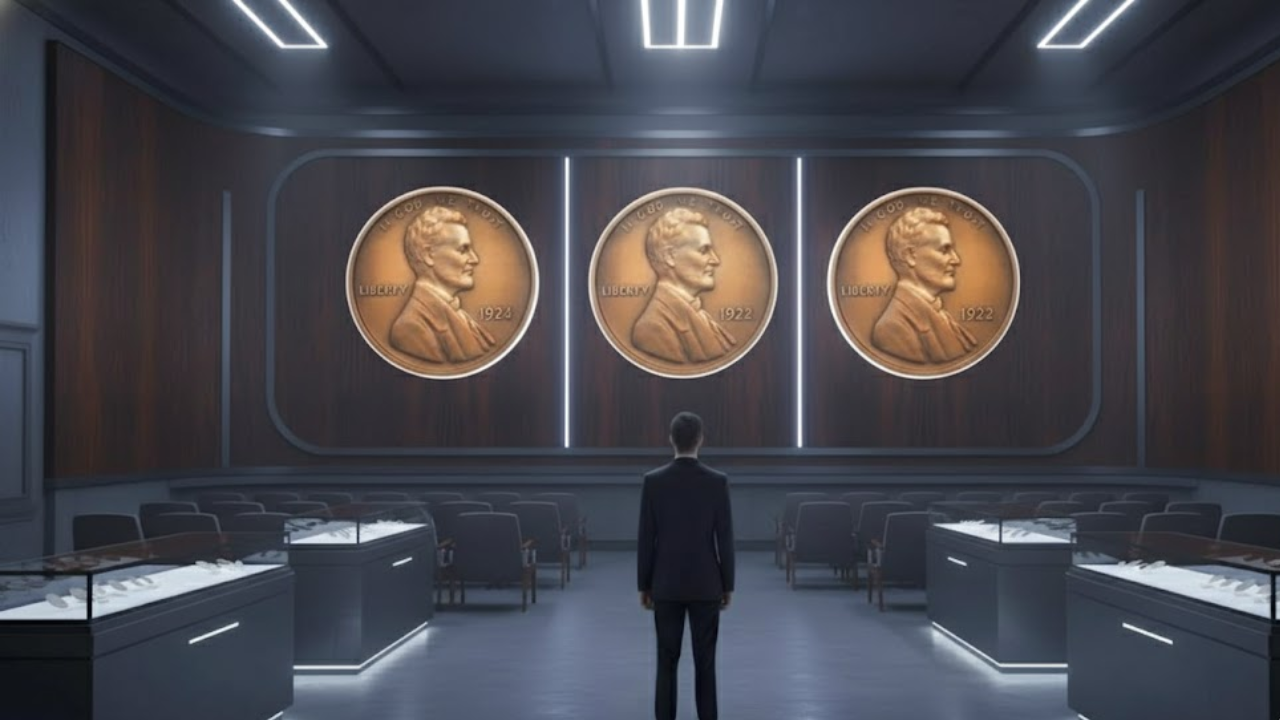
Wheat Pennies Value Guide: Wheat pennies, officially known as Lincoln Wheat Cents, remain one of the most recognizable and widely collected coins in U.S. numismatics. Produced from 1909 through 1958, these cents feature two wheat stalks on the reverse, symbolizing national prosperity. Although once dismissed as everyday pocket change, Wheat pennies value has steadily increased, particularly during the last decade. For modern collectors, tracking how Lincoln Wheat Cents prices have evolved is essential when deciding whether to buy, sell, or hold these historic coins.
Wheat Pennies Value Trends Over the Last 10 Years
| Category of Wheat Penny | Average Value 10 Years Ago | Average Value Today | Market Trend |
|---|---|---|---|
| Common Circulation Dates | $0.05 – $0.25 | $0.25 – $2.00 | Gradual Growth |
| High-Grade Common Dates | $2 – $5 | $10 – $30 | Strong Increase |
| Key Date Wheat Pennies | $300 – $800 | $1,000+ | Rapid Appreciation |
| Error and Variety Coins | $50 – $500 | $200 – $2,000+ | High Collector Demand |
This comparison shows that nearly every category of Lincoln Wheat Cents has experienced appreciation. Scarce dates and error coins have delivered the most dramatic gains, driven by collector competition and limited supply.
Why Wheat Pennies Continue to Attract Collectors
Lincoln Wheat Cents carry historical importance as the first U.S. coins to feature a real individual rather than an allegorical figure. Their affordability makes them accessible to beginners, while advanced collectors pursue rare varieties and mint errors. The wide range of dates, mint marks, and production quirks keeps interest strong and ensures long-term collector demand.
How Wheat Pennies Value Has Changed in the Past Decade
Over the last ten years, Wheat pennies value has trended upward across most segments of the market. While heavily worn coins remain budget-friendly, scarcity and condition now play a much larger role in determining price. Online auction platforms and digital price guides have expanded access to the hobby, introducing new buyers and increasing competition for desirable coins.

Common Wheat Pennies and Market Performance
Wheat pennies from years with high mintages are still relatively easy to find. However, well-preserved examples have become increasingly scarce. Coins with sharp details, original surfaces, and minimal wear now sell for noticeably higher prices than they did ten years ago, reflecting a growing preference for quality.
Key Date Lincoln Wheat Cents and Scarce Varieties
Certain Lincoln Wheat Cents are essential for completing collections. Coins such as the 1909-S VDB, 1914-D, and 1931-S continue to rise in value due to limited availability. High-grade specimens of these key date Wheat pennies often sell for multiples of their earlier market prices, especially when certified by reputable grading services.
Why Condition Plays a Major Role in Value
Condition is one of the strongest drivers of Wheat pennies value today. Coins are graded on a scale ranging from poor to mint state, and small differences in grade can result in substantial price gaps. Over the past decade, demand has increasingly shifted toward uncirculated and near-mint examples, which have appreciated much faster than lower-grade coins.
Market Factors Influencing Wheat Penny Prices
The growth of social media, online marketplaces, and coin forums has expanded interest in Lincoln Wheat Cents. Rising copper prices have slightly increased their intrinsic value, but collector demand remains the dominant factor. Rare dates, mint errors, and high-grade coins continue to outperform bullion-based pricing.

How to Determine the Value of Your Wheat Pennies
To estimate Wheat pennies value, start by identifying the date and mint mark. Examine the coin’s condition, paying close attention to wear, surface marks, and color. Look for unusual features such as doubled lettering or off-center strikes. Auction records, price guides, and professional grading services provide the most reliable valuations for rare or high-grade coins.
Tips for Building a Lincoln Wheat Cents Collection
New collectors should aim to acquire a range of dates and mint marks before focusing on upgrades. Prioritizing key date Wheat pennies can add long-term value, while careful handling and proper storage help preserve condition. Staying informed about market trends allows collectors to make smarter purchasing decisions over time.
Final Verdict
Lincoln Wheat Cents continue to be one of the most appealing areas of coin collecting. The past decade has shown steady growth in Wheat pennies value, particularly for rare dates, error coins, and high-quality examples. With careful research and patience, collectors can enjoy both historical significance and potential long-term appreciation.
Disclaimer
Coin values fluctuate based on market demand, condition, and collector interest. The prices mentioned in this article are provided for informational purposes only and should not be considered financial advice. Always consult certified grading services or professional numismatists before making buying or selling decisions involving collectible coins.